
If you’ve lived in Stockport for more than a week, you know the score: when it rains, it really rains. Whether you’re up in Heaton Moor or down in Hazel Grove, that typical North West drizzle has a habit of turning a standard driveway into a miniature version of the Mersey.
But as we move through 2026, the conversation around our front gardens has shifted. It’s no longer just about which stone looks the "poshest" (though we do like a bit of curb appeal, don't we?). It's about how that driveway handles the weather. You might have heard the term "permeable paving" thrown around by driveway installers in Stockport, and you'd be right in thinking it sounds a bit technical.
In simple terms? It’s paving that lets the water through. And in 2026, it doesn’t just matter: it’s becoming the gold standard for anyone wanting a "proper" job done.
The Planning Headache You Really Don’t Want
Let’s have a straight chat about the rules. Since the updated National SuDS (Sustainable Drainage Systems) Standards kicked in, the local authorities have become much more switched on.
If you’re looking to pave over a front garden larger than 5 square metres (which is basically any driveway that fits a car), you have two choices:
- The Permeable Route: Use surfaces that let water soak through naturally. If you do this, you usually don’t need a single bit of planning permission. You’re "chuffed," the council is happy, and we can get on with the build.
- The "Old School" Route: If you use traditional, non-porous concrete or slabs and let the water run straight out onto the road or into the public sewers, you’ll likely need formal planning permission.
That application process can cost around £150 in fees and take 8 weeks or more. We don't know about you, but we’d rather spend that time actually building your dream entrance than filling out forms for the Town Hall.
It’s What’s Underneath That Counts

We’ve been doing paving in Stockport for over 25 years, and if there’s one thing we’ve learned, it’s that a driveway is only as good as its foundation.
You’ll see some "cowboy" outfits offering the cheapest price in the Reddish Advertiser, but they often just slap blocks over standard sand. With permeable paving, the technical specifics are non-negotiable. We use what’s called a Type 3 open-graded sub-base. It’s a layer of clean, crushed stone that has gaps between the bits of rock. This acts like a giant underground sponge, holding the rainwater and letting it soak back into the earth slowly.
It’s this attention to detail (and the fact we won't cut corners on the "bits you can't see") that means your driveway won't sink, sag, or turn into a paddling pool after three years.
Why "Cheapest" Isn't Usually "Best"
We’ll be the first to tell you: we aren't the cheapest driveway installers in Stockport. And honestly? We’re quite proud of that.
Doing a permeable job properly takes more skill and better materials. It requires pressure-treated edging, the right membrane, and stones that are specifically manufactured to have those tiny drainage gaps. When we give you a quote, it’s for a driveway that’s built to last another quarter-century, not just until the next big storm.
We handle the whole journey: from the initial "brew and a chat" consultation to the final sweep-up. You get peace of mind knowing that your home is future-proofed against the 2026 drainage laws and that the job is fully insured.
The 2026 SuDS Standards: Keeping Your Feet Dry

The latest 2026 standards are all about "amenity and biodiversity." It sounds fancy, but it basically means making our gardens work harder. Many of our clients in Didsbury and Heaton Mersey are now opting for a mix of permeable block paving and small "rain gardens": strips of hardy plants like ornamental grasses that love a bit of extra water.
Not only does this look fab, but it also helps prevent subsidence. In parts of Stockport with heavy clay soil, traditional paving can cause the ground to dry out and shrink, leading to cracks in walls. Permeable paving keeps the moisture levels balanced, which is better for your house and the environment.
No Puddles, No Ice, No Worries

One of the biggest "wins" our customers mention (once they’ve stopped worrying about the legal stuff) is the lack of ice. On a traditional concrete drive, water sits on the surface, freezes overnight, and turns your morning commute into a skating rink.
With a permeable system, the water is gone before it has a chance to freeze. It’s safer for you, safer for the kids, and it stays looking "proper" for much longer because you don't get those nasty salt stains or moss growing in standing water.
Ready to Make the Switch?
If you’re thinking about a new driveway in Stockport, don’t get bogged down in the technical jargon. That’s our job.
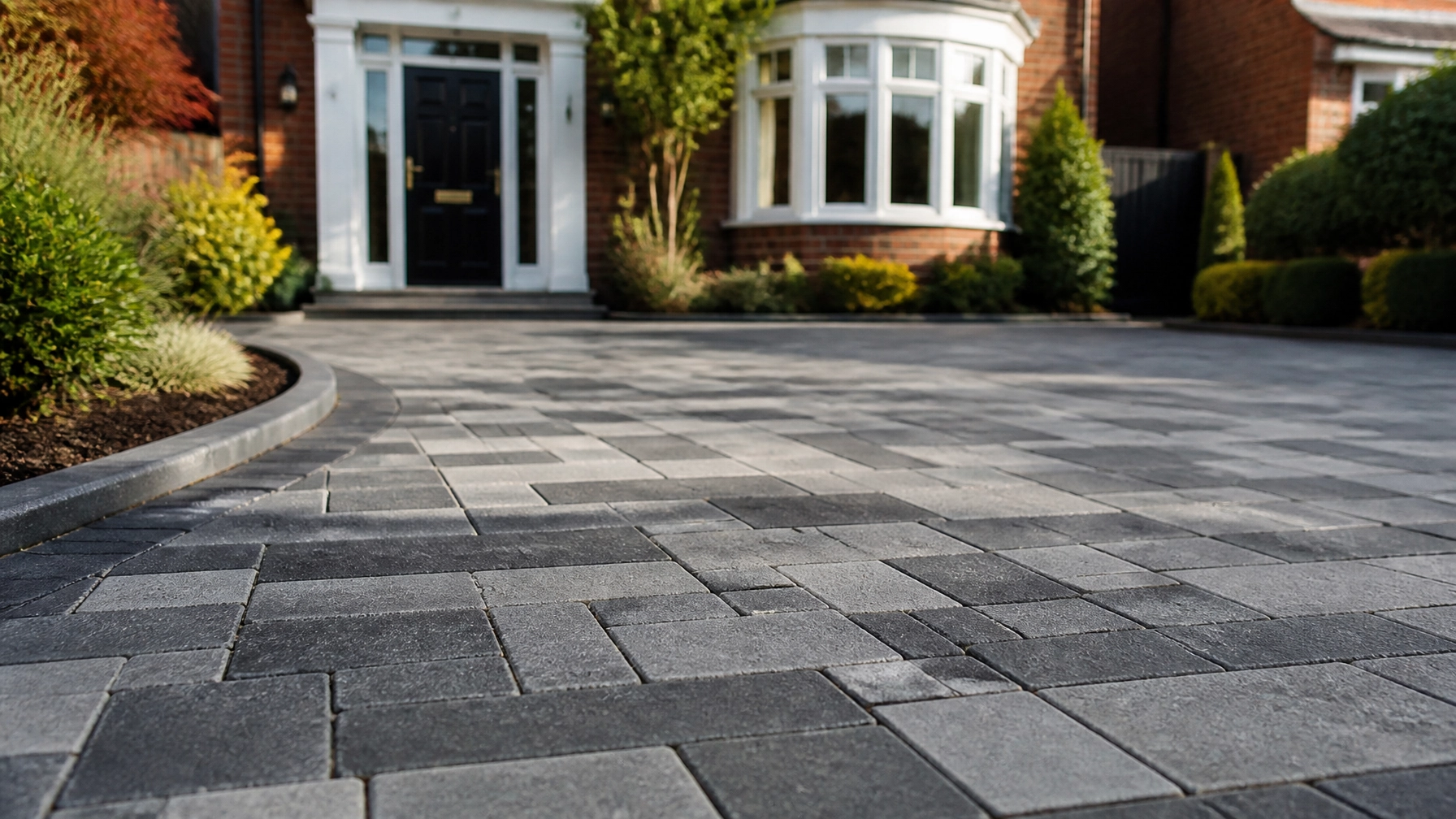
We’ve been transforming gardens from Heaton Chapel to Dane Bank for decades, and we’d love to help you figure out a design that looks stunning and stays on the right side of the law. Whether you want the sleek look of resin-bound stone or the classic feel of multi-tonal block paving, we’ll make it happen.
Give us a shout today for a no-nonsense consultation. Let's get our hands dirty and build you a driveway you'll be genuinely chuffed with.
Check out our latest news and projects to see how we’re transforming Stockport, one garden at a time.
