
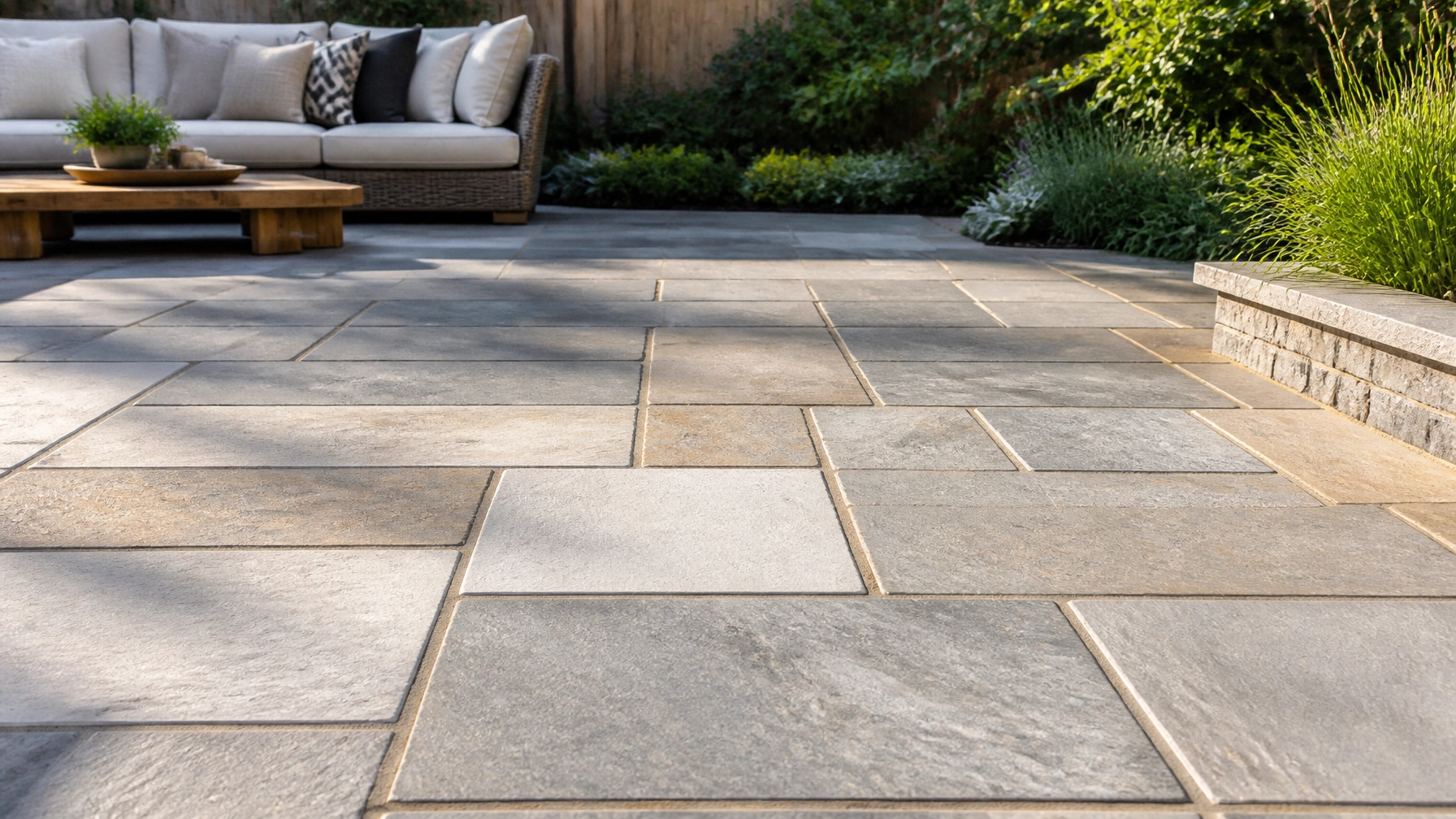
So, you’ve finally done it. You’ve invested in a proper garden paving Stockport transformation, and your outdoor space looks absolutely fab. Whether it's a sleek porcelain patio for those summer G&Ts or a sturdy new driveway that’s the envy of your neighbours in Heaton Moor, you’re likely feeling pretty chuffed with the result.
But here’s the thing: even the best-laid stone needs a little bit of love to stay looking brand new. At DW Landscaping Solutions, we’ve been at this for over 25 years. We aren’t the cheapest garden services Stockport has to offer, and we’re proud of that. Why? Because we focus on quality that lasts. But once we’ve finished our bit and handed over your dream garden, the "maintenance ball" is in your court.
Don't panic: you don't need to spend every weekend on your hands and knees. Here is our no-nonsense, 5-step guide to keeping your paving weed-free and looking top-notch for years to come.
Step 1: The Magic of the Stiff Broom
You’d be right in thinking that the simplest solutions are often the best. The biggest enemy of a clean patio isn't actually "weeds growing up from the bottom" (a common myth if your sub-base was done properly by a pro). It’s actually seeds landing on top in the dust and debris.
If you let dirt, fallen leaves, and "helicopter" seeds from nearby trees settle in the joints, they’ll eventually turn into a nice little compost for weeds to call home.
Our advice: Get yourself a decent, stiff-bristled outdoor broom and give the area a proper sweep once a week. It takes five minutes but prevents months of headache later. By removing the organic matter before it breaks down, you’re essentially "starving" any potential weeds before they even start.

Step 2: Keep Your Joints Topped Up
The joints between your slabs or blocks aren't just there for decoration; they provide the structural integrity of the whole surface. Over time, especially after a typical North West downpour, some of the kiln-dried sand or jointing compound can wash away or settle.
Empty joints are basically an open invitation for weeds to move in.
- For Block Paving: Keep a bag of kiln-dried sand in the shed. Every few months, check for gaps and brush a bit more in.
- For Stone Patios: We often use high-quality polymeric jointing compounds that set hard. If you notice a crack or a chunk has come out, give us a chat. Getting it patched early prevents water from getting under the slabs and stops weeds from getting a foothold.
Maintaining those joints is one of the best low maintenance garden ideas UK homeowners can follow because it stops the problem before it starts.

Step 3: To Seal or Not to Seal?
This is a question we get asked a lot during our initial consultations in places like Didsbury and Hazel Grove. While modern porcelain doesn't really need it, natural stone like Indian Sandstone can benefit massively from a professional-grade sealant.
Think of sealant like a "Rain-X" for your patio. It creates a barrier that makes it harder for moisture and dirt to soak into the stone. It also helps bind the jointing sand together, making it even more weed-resistant.
Pro Tip: Don't rush into sealing a brand-new installation. You need to let any natural salts (efflorescence) come out of the stone first: usually a few months. When you are ready, choose a breathable sealant that won't trap moisture underneath, which can cause the stone to flake (and nobody wants that).
Step 4: Go Easy with the Pressure Washer
We know, we know. There is something incredibly satisfying about watching a jet wash blast away a year's worth of grime. But honestly? Be careful.
If you get too close with a high-pressure jet, you can actually damage the surface of the stone and, more importantly, blast out the very jointing material we just talked about. Once that sand is gone, the paving becomes unstable, and weeds will be popping up faster than you can say "Reddish."
The DW Way: For regular cleaning, a bucket of warm soapy water (mild detergent) and that stiff broom we mentioned in Step 1 will do wonders. If you must use a pressure washer, use a wide-fan attachment and keep it at a 45-degree angle. Never blast directly into the joints!
Step 5: Deal with "Escapees" Early
Even with the best prep, nature is a persistent bugger. You might spot a rogue dandelion or a bit of moss in a shady corner. The key is to deal with it immediately.
Don't wait for a small sprig to turn into a bush. Pull it out by hand (ideally after it’s rained when the ground is soft) to ensure you get the root. If you prefer a bit of help, a kettle of boiling water poured directly onto a small weed is a fantastic, chemical-free way to kill it off without harming your nearby plants or pets.
If things have really gotten out of hand because you’ve moved into a property where the previous owners weren't as diligent, you might want to look at our guide on 7 mistakes you’re making with your garden landscaping to see how we’d fix a more serious issue.

Why Low Maintenance is the Way Forward
In Stockport, we lead busy lives. Whether you're commuting from Burnage or busy with the kids in Dane Bank, you want a garden that works for you, not a garden you have to work for.
Choosing the right materials from the start: like high-quality porcelain or properly laid natural stone: is the first step toward a low-maintenance lifestyle. When we manage your project, we handle everything from the drainage and planning rules to the final sweep-down, giving you total peace of mind.
Ready to Transform Your Outdoor Space?
If your current driveway is more "meadow" than "masonry," or your patio has seen better days, let’s have a chat. We’re not the cheapest guys in town, but we are the ones who will do it right the first time so you aren't calling someone else back in two years to fix it.
From bespoke garden designs to "proper" driveway installations, we’ll help you create a space that’s beautiful, functional, and: most importantly: easy to keep that way.
Give Kaine and the team a call today, and let’s get our hands dirty making your dream garden a reality.
